Tornado Interceptor Lab Flaps Deployment Guide
Keep it low, cover the tires, raise your wind threshold before every chase.
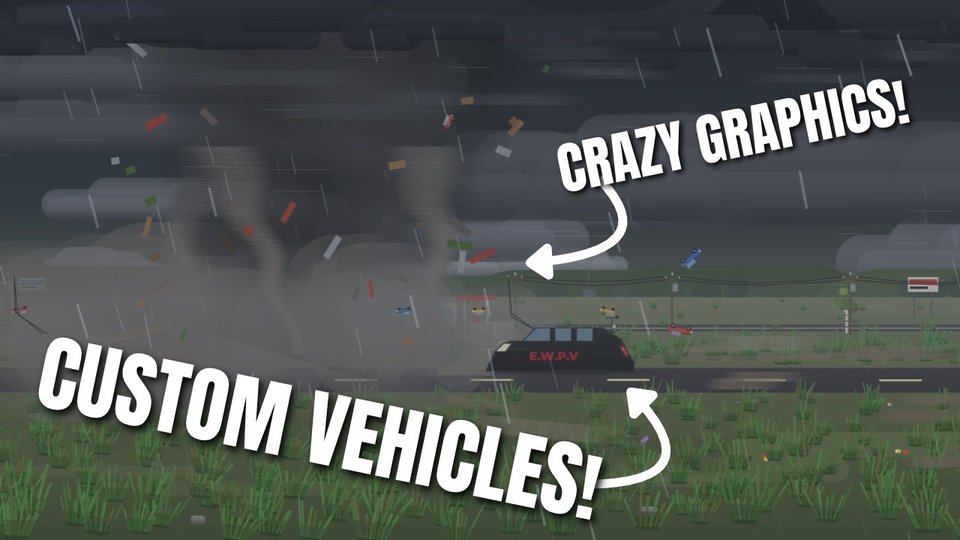
Flaps are the difference between a paid intercept and a cartwheel across the plains in Tornado Interceptor Lab. Arvexa studio’s Roblox Beta (released 4 November 2026, max ten players) lets you armor tornado interceptors in a lab, then drive them into EF-rated storms. The single most repeated community tip is simple: keep the vehicle low so deployed flaps cover the wheels, which many chasers credit with roughly +30–50 wind threshold. This page turns that tip into a repeatable lab checklist.
Read this beside How to Build and Getting Started. Take the sealed vehicle into How to Intercept and keep it upright with Threshold Survival plus Controls. The full list lives on the Guides Hub.
Why wheel coverage matters
Exposed tires catch lift. When inflow or core winds get under the rubber, the chassis yaws, the opposite flap unloads, and you tumble. Covering the wheels with deployed flaps blocks that under-body path and stiffens the side profile the storm “sees.” Players describe the result as a higher effective threshold — often cited around thirty to fifty points — enough to turn a marginal EF3 into a farmable run or to give Cad 1–style prototypes a safer EF5 window.
The tip is empirical community knowledge from Beta play, not a carved UI tooltip. Re-verify after every patch on Updates, because Arvexa can retune wind or flap hitching without a long patch essay.
Lab setup: height before hardware
- Lower suspension and body mounts until steering still clears the ground at full lock.
- Mount flaps so their closed (deployed) position overlaps the tire face from a true side view.
- Ensure armor skirts do not stop the flap mid-sweep.
- Add actuator strength before adding a second cosmetic flap row.
- Paint last — blue Cad 1 clones still fail if rubber shows.
If you cannot cover the wheels without clipping geometry, the chassis is still too tall. Return to How to Build instead of forcing oversized flaps that shear off in the first debris hit.
Deployment timing in the field
Deploy early. Waiting until debris fills the windshield means lift already reached the wells. A clean habit:
- Roll toward the storm on your shallow approach (How to Intercept)
- Deploy flaps as you enter the outer circulation
- Glance side-camera to confirm coverage still holds under load
- If a flap peels open and shows tire, extract immediately and repair
Bind comfort matters — practice the deploy key offline using Controls so you are not hunting the keyboard inside an EF4.
Diagnosing “I covered the wheels but still flipped”
Coverage at idle is not coverage at speed. Check:
- Flex gaps — armor or suspension squat opens a hole at the rear axle
- One-side fail — a single hinge death exposes one tire and starts the tumble
- Threshold ceiling — even perfect flaps will not save an EF6 (~261+ mph) attempt on a starter frame; see Threshold Survival
- Driver inputs — panic brake and snappy steer unload flaps; smooth inputs keep seals seated
Film a short lab roll and a weak-EF run. Compare still frames of the wheel line. Many “mystery” failures are simply incomplete coverage on the inside rear tire.
Cad 1 flap debates, decoded
Community Cad 1 builds (often blue) spark arguments about flap count, hinge height, and whether double layers help. The productive question is always: do the tires disappear when deployed? Extra flaps that fight each other or block repairs are worse than one solid pair that seals. Watch OperaXD-style Cad 1 chase clips for motion reference, then rebuild to your parts — rankings on the Tier List and creators on Players help you spot which variants still work after patches.
Maintenance between storms
After each intercept, inspect hinges before paint scratches. Replace actuators that stutter. Keep a spare flap in inventory when cash allows. Economy priority stays flaps and low-side armor over cosmetics; Codes has no verified public promos as of late November 2026, so do not stall progression waiting for freebies. Tooling chatter belongs on Scripts; official links on the Links Hub.
Quick coverage checklist
- Body as low as usable steering allows
- Side view: deployed flaps hide tire faces
- No armor collision mid-sweep
- Deploy practiced before heavy shear
- Post-run hinge inspection complete
- Weak-EF re-test after every major update
How flaps connect to the rest of your loop
Flaps are not a standalone mini-game. They are the seal that lets How to Intercept pay out and lets Threshold Survival matter. Without coverage, fancy approach lines still end in scrap. With coverage, even a humble lab mule can fund the next Cad 1 experiment. Teach teammates the low-and-covered rule, link them this page from the Guides Hub with a trailing slash, and make wheel checks as automatic as spawning.
Master deployment in the garage, confirm it under motion, and only then argue about paint. In Tornado Interceptor Lab’s Beta, the tornado grades your flaps long before it grades your style.
Frequently Asked Questions
Quick answers about builds, intercepts, codes, and survival.
How much threshold do covering flaps add?
Community players widely report about +30–50 wind threshold when the vehicle is low and deployed flaps cover the wheels. Re-test after patches.
Why did I flip even with flaps down?
Idle coverage can open under load, one hinge may have failed, or the storm exceeded your build. Check flex gaps and read Threshold Survival.
When should I deploy in a chase?
As you enter outer circulation — before heavy shear — so tires are sealed when lift arrives.
Do more flaps always mean better coverage?
No. Extra flaps that collide or shear off help less than a single reliable pair that fully hides the tires.